Featured Destinations
Valley Views
Hunza valley
Discover the breathtaking landscapes, hidden valleys, and iconic landmarks across Pakistan. From alpine lakes and towering peaks to historic forts and scenic valleys.
Hunza valley - Overview
Discover the breathtaking landscapes, Hidden Hunza valleys, and iconic landmarks across Pakistan. From alpine lakes and towering peaks to historic forts and scenic valleys. Discover the breathtaking landscapes, hidden valleys, and iconic landmarks across Pakistan. From alpine lakes and towering peaks to historic forts and scenic valleys.
Discover the breathtaking landscapes, hidden valleys, and iconic landmarks across Pakistan. From alpine lakes and towering peaks to historic forts and scenic valleys. Discover the breathtaking landscapes, hidden valleys, and iconic landmarks across Pakistan. From alpine lakes and towering peaks to historic forts and scenic valleys.
Best Time to Visit
Hunza Valley is a year-round destination, but the best time to visit depends on the kind of experience you are looking for, whether it’s blooming landscapes, adventure activities, or snowy mountain scenery.
Spring (March to May)
Blossoms & Fresh Landscapes
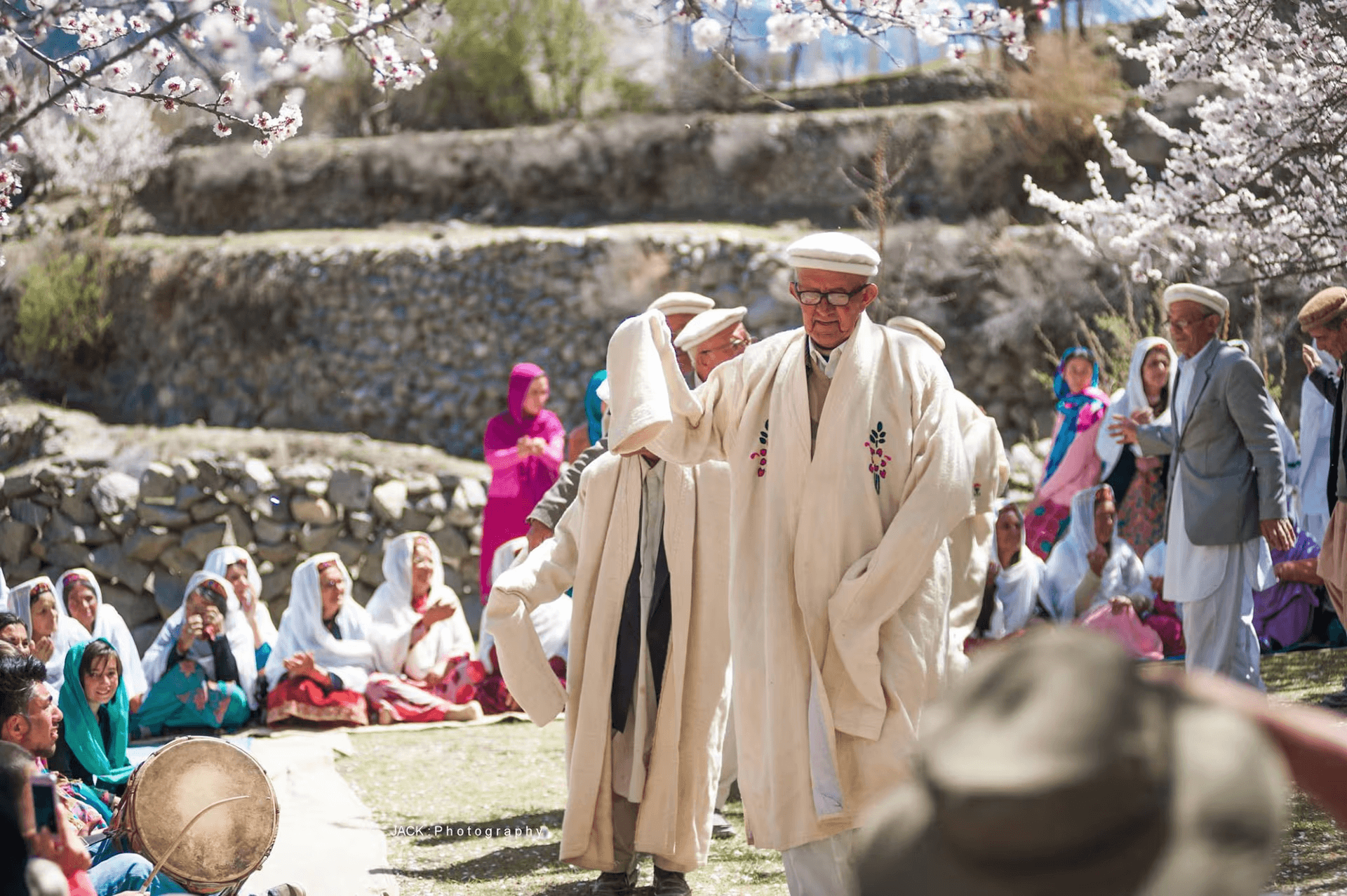
Spring is one of the most beautiful times to visit Hunza. The valley comes alive with apricot, cherry, and apple blossoms, creating a magical, colorful atmosphere. The weather is mild and pleasant, ideal for sightseeing, photography, and light hiking. This season is perfect for travelers who love fresh greenery and peaceful scenery.
Summer (June to September)
Best for Adventure & Exploration
Summer is the peak tourist season in Hunza, with warm temperatures and clear skies offering breathtaking mountain views. This is the best time for trekking, hiking, camping, and exploring high-altitude areas. Roads and mountain passes are fully accessible, making it ideal for longer road trips and outdoor adventures.
Autumn (October to November)
Golden Colors & Fewer Crowds
Autumn transforms Hunza into a golden wonderland as trees turn shades of yellow, orange, and red. The weather remains cool and pleasant, and tourist crowds begin to thin out, offering a quieter and more relaxed experience. This season is perfect for photographers, couples, and travelers seeking scenic beauty without peak-season crowds.
Winter (December to February)
Snowy Serenity
Winter offers a peaceful and magical experience in Hunza, with snow-covered mountains and a calm, less crowded environment. While some roads and facilities may be limited, winter is ideal for travelers who enjoy solitude, snow scenery, and a unique mountain atmosphere.
Overall Best Time
April to October is generally considered the best time to visit Hunza Valley, as the weather is pleasant, the roads are accessible, and most tourist activities are available. However, each season offers a distinct charm, from spring blossoms to summer adventures, autumn colors, and winter snow.
Top Attractions in hunza valley
Explore the most popular tourist attractions, scenic landmarks, and must-visit places in hunza valley to help you plan a memorable trip.
No attractions listed for this destination yet.
Travel Tips
- Carry warm clothing, even in summer
- Carry warm clothing, even in summer
- Carry warm clothing, even in summer
- Carry warm clothing, even in summer
- Carry warm clothing, even in summer
- Carry warm clothing, even in summer
Essential Information About Hunza valley
Essential Information — Hunza Valley
Hunza Valley is located in Gilgit-Baltistan, northern Pakistan, along the famous Karakoram Highway. The main towns include Karimabad, Aliabad, and Gulmit. The region uses Pakistan Standard Time (PKT) and the local language is Burushaski, though Urdu and English are widely understood in tourist areas.
The valley sits at an elevation of approximately 2,500 meters (8,200 feet), offering cool summers and cold winters. The currency used is the Pakistani Rupee (PKR), and cash is recommended as ATM access can be limited. Mobile coverage is available in major towns, but internet speeds may be slow in remote areas.
Hunza is considered safe and welcoming for travelers, known for its friendly communities, clean environment, and rich cultural heritage. Visitors are encouraged to respect local traditions, dress modestly, and follow eco-friendly travel practices to help preserve the region’s natural beauty.
Local Cuisine & Delicacies
Best Places to Try
Baltit Fort
Baltit Fort is a fort in the Hunza valley, near the town of Karimabad, in the Gilgit-Baltistan region of northern Pakistan. Founded in the 8th century CE, it has been on the UNESCO World Heritage Tentative list since 2004
Altit Fort
Altit Fort is an ancient fort in the Altit town in the Hunza valley in Gilgit Baltistan, Pakistan. It was originally home to the hereditary rulers of the Hunza state who carried the title of 'Mir'.
Duikar
Duiker Village is located at about 3,000 meters above sea level. It is a quiet mountain village with amazing views of the Hunza Valley.
Ondra Fort Gulmit
The Ondra Fort is a historic fort located in the village of Gulmit in the Hunza Valley of Gilgit-Baltistan, Pakistan. Ondra Fort Gulmit dates back to the 16th century and is one of the oldest in the region.
Khunjerab Pass
The Khunjerab Pass is the highest paved international border crossing in the world (4,693–5,100 meters), connecting Pakistan's Gilgit-Baltistan with China's Xinjiang region.
Hussaini Suspension Bridge
The Hussaini Suspension Bridge is a 660-foot-long, notoriously dangerous pedestrian rope bridge spanning the Hunza River in Gilgit-Baltistan, Pakistan. Built in 1968, it connects Hussaini and Zarabad villages with damaged planks and significant gaps, offering an extreme, 50-foot-high adrenaline experience for tourists and locals.
Passu Suspensin Bridge
The Passu Suspension Bridge is situated near the Passu village in the Gojal Valley. At 94m long and suspended 25m above the Hunza River, this bridge offers a slightly more stable crossing than the Hussaini Hanging Bridge, but still delivers an exciting experience.
Khyber Hanging Bridge
How To Reach Hunza valley
Hunza Valley is accessible by both road and air, offering scenic and adventurous travel routes through northern Pakistan.
By Air
The nearest airport is Gilgit Airport, with regular flights from Islamabad (subject to weather conditions). From Gilgit, Hunza Valley is approximately a 2–3 Hour's drive via the Karakoram Highway.
By Road
Hunza Valley is well-connected through the Karakoram Highway (KKH) — one of the most scenic highways in the world.
- From Islamabad: 12-14 hours by car or 18-20 hours by bus
- From Gilgit: 2–3 hours by road
Travelers can use private cars, rental vehicles, or long-distance buses.
By Bus & Public Transport
Several bus services operate daily from Islamabad, Rawalpindi, and Gilgit to Hunza and nearby towns such as Aliabad and Karimabad. Both standard and luxury coach options are available.
Private Transfers & Tour Transport
Private transfers and tour company vehicles offer a more comfortable and flexible way to reach Hunza, especially for families, groups, and international travelers seeking a smooth travel experience.
Scenic Travel Experience
The journey to Hunza is an unforgettable experience, featuring rivers, mountains, tunnels, and dramatic landscapes, making the travel itself a major highlight of the trip.