Lahore Fort:
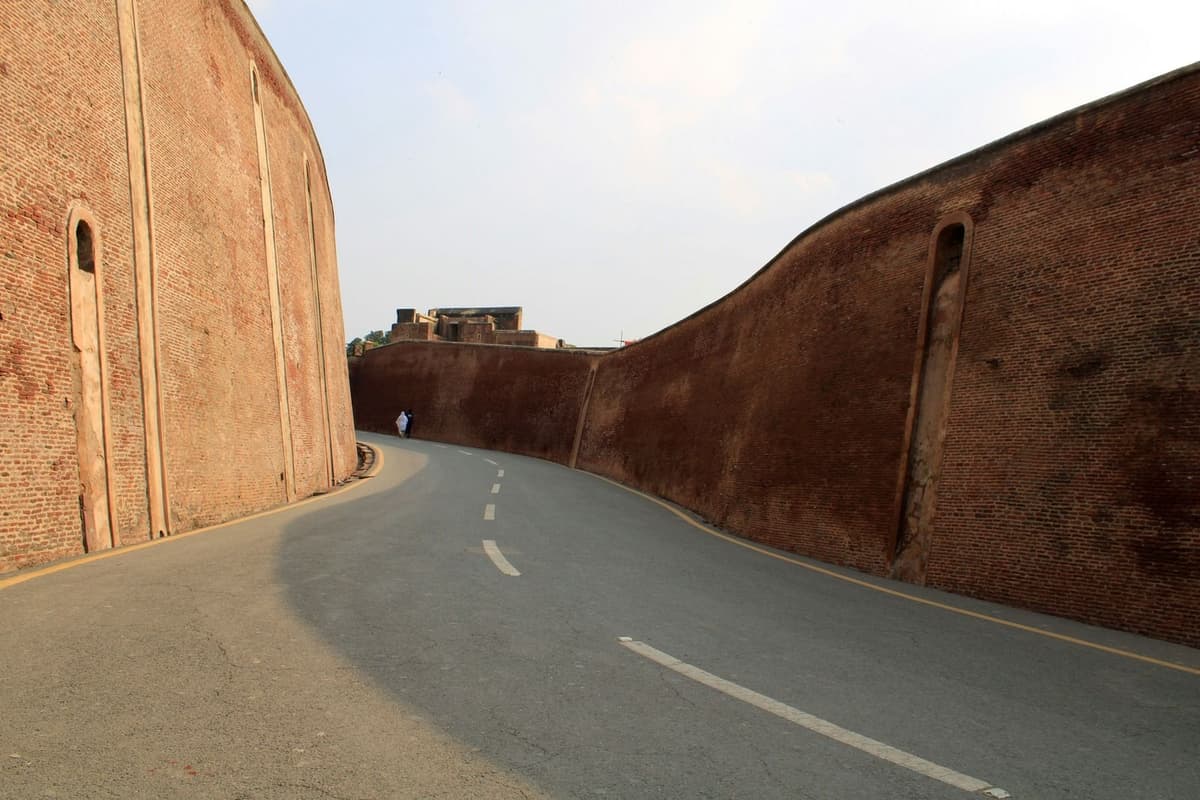
A UNESCO World Heritage Site famous for its beautiful design and deep history. This fort displays the architecture of the Mughals, Sikhs, and British. It reflects years of history and cultural growth.
Sheesh Mahal:
A unique and richly decorated mirror palace. This mahal is located within Lahore Fort and was built by Shah Jahan. This mahal is built of mirrors on each side.
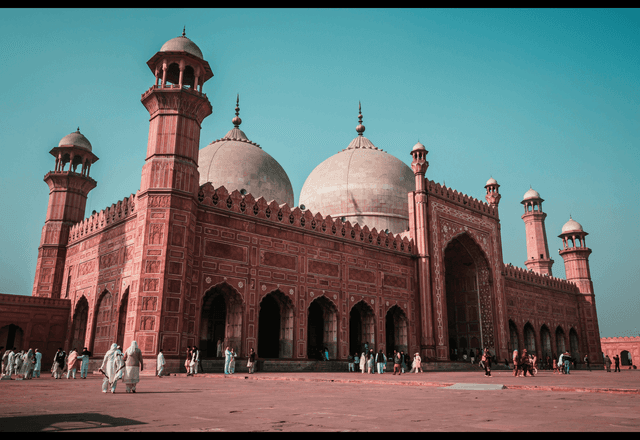
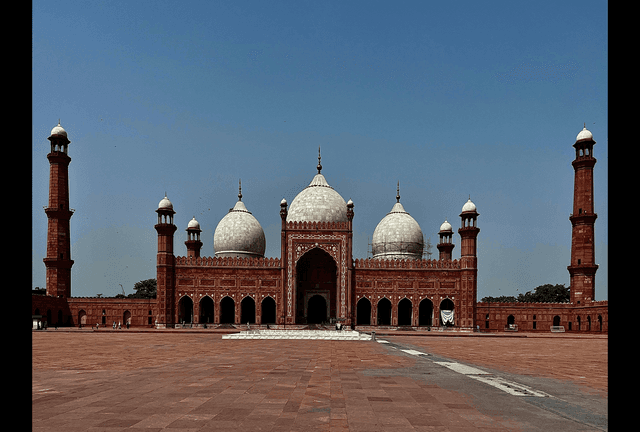
Badshahi Mosque:
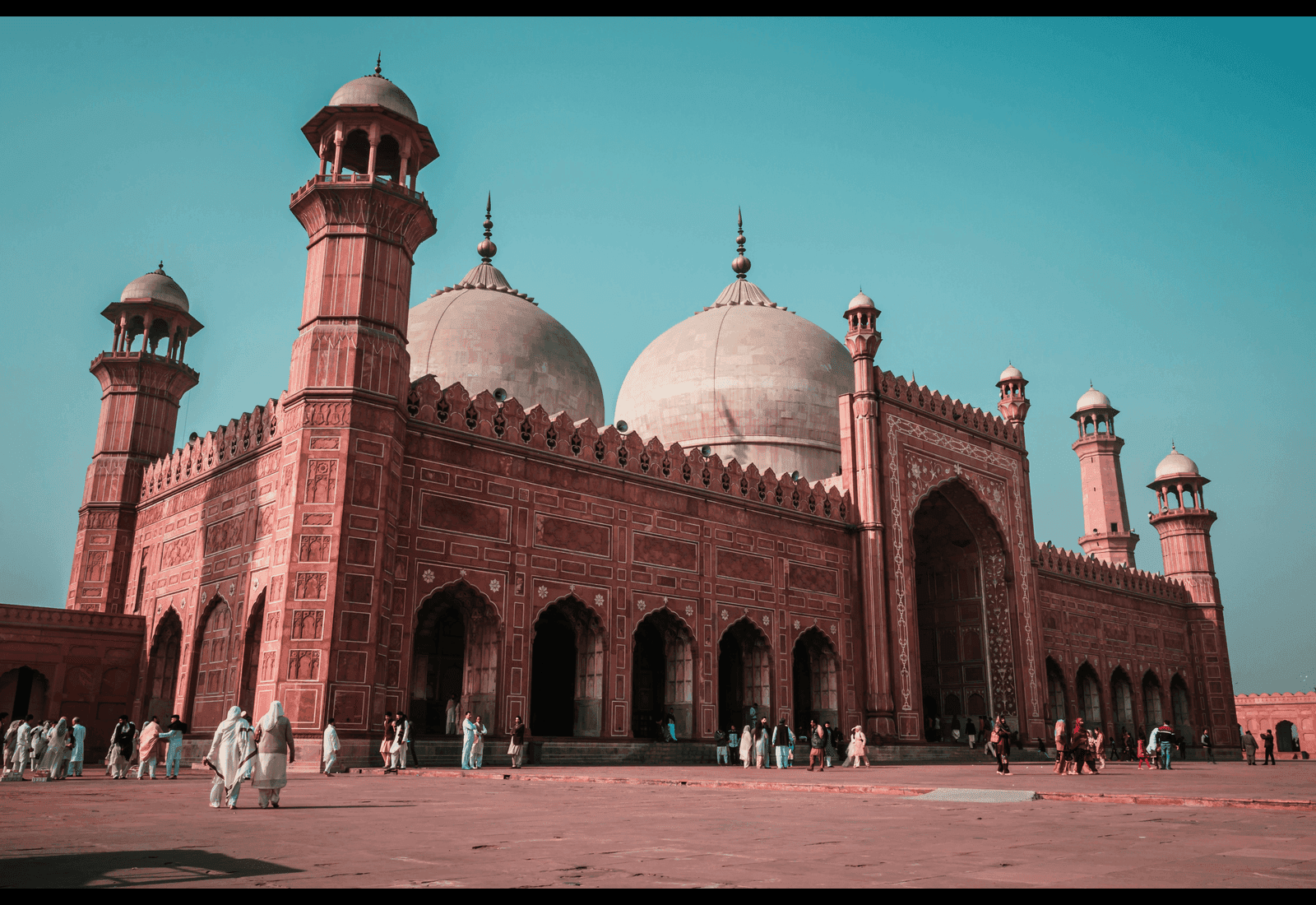
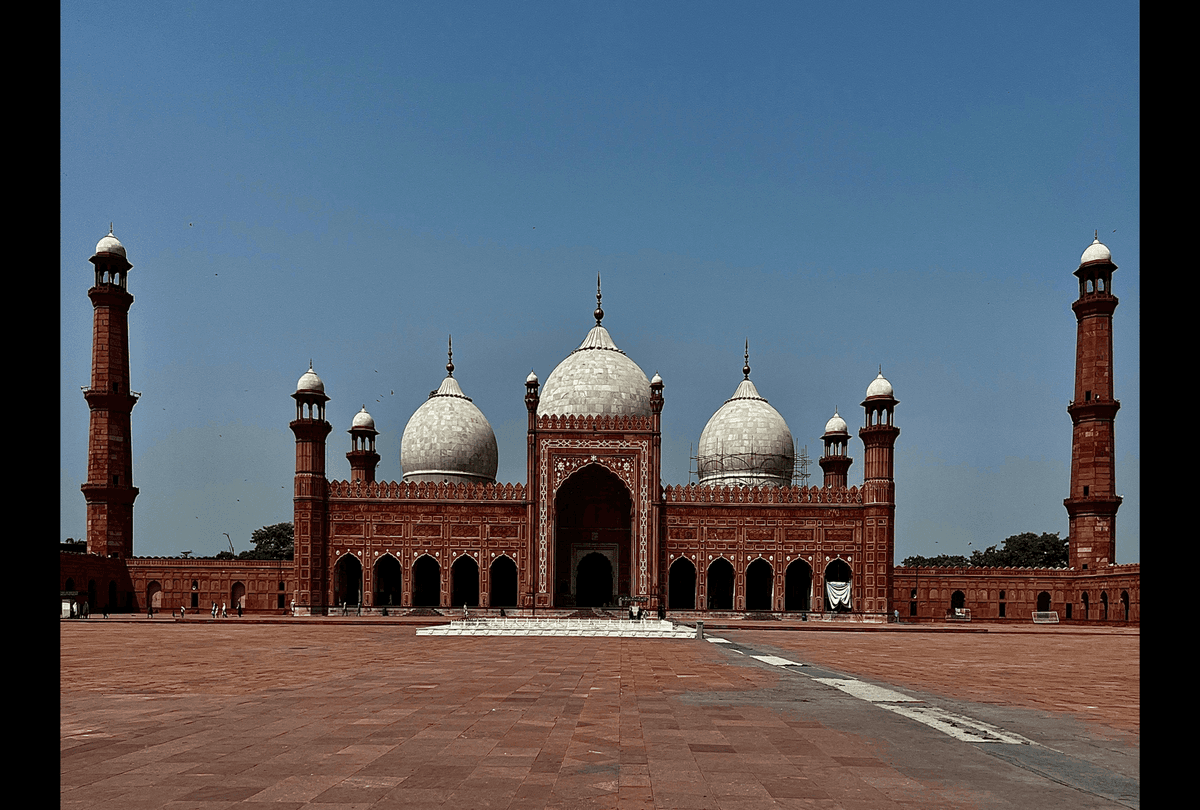
This is one of the largest mosques in the world. It was built by Aurangzeb between 1671 and 1673. This mosque is an important example of Mughal history and Architecture. Its built with carved red sandstones with marble inlay.
Walled City of Lahore:
or Androon Sheher, grew under Emperor Akbar. Inside its walls, you'll find lively bazaars like Delhi Gate. This area showcases Mughal, Sikh, and British architecture, making it a living museum.
Wazir Khan Mosque:
The then governor of Punjab, Wazir Khan, built this mosque. Construction started in 1634 and finished in 1641 under Emperor Shah Jahan. This mosque is also on the UNESCO World Heritage Tentative List.
Tomb of Jahangir:
The tomb of Emperor Jahangir is the only Mughal emperor's tomb in Pakistan. The ruler is buried in a mausoleum dating from 1637 along the banks of the River Ravi.
Wagha Border:
The Wagah Border is a road connecting Pakistan with India. It’s located at a distance of 24 km from Lahore. It's famous for the daily lowering ceremony. The ceremony is marked by synchronized stomping marches, high kicks, and patriotic chants.

 Walled City Lahore Tour (1-days)
 Lahore Fort Night Tour - History by Night (1-days)